Flâneur(n)
The flâneur concept emerged in Paris during the mid-19th century before spreading to other European metropolises, notably Berlin. Essentially an unhurried observer of city dynamics, a flâneur would meander through urban spaces, observing without engaging in the surrounding activities. This role enabled them to scrutinize and contemplate urban existence from a neutral, outside perspective. Despite their observer status, early flâneurs maintained a strong sense of personal identity, often showcasing their uniqueness through extravagant fashion. Many of these observers were also creative minds like artists and writers, drawing inspiration from their urban expeditions for their creations. The flâneur notion was particularly embraced by the Impressionists, influencing the vibrant urban scenes and depictions of leisure activities in the works of artists such as Degas, Renoir, and Caillebotte. This concept also left its mark on 20th-century art movements, including Street Photography.
Taken from: https://www.theartstory.org/definition/flaneur/
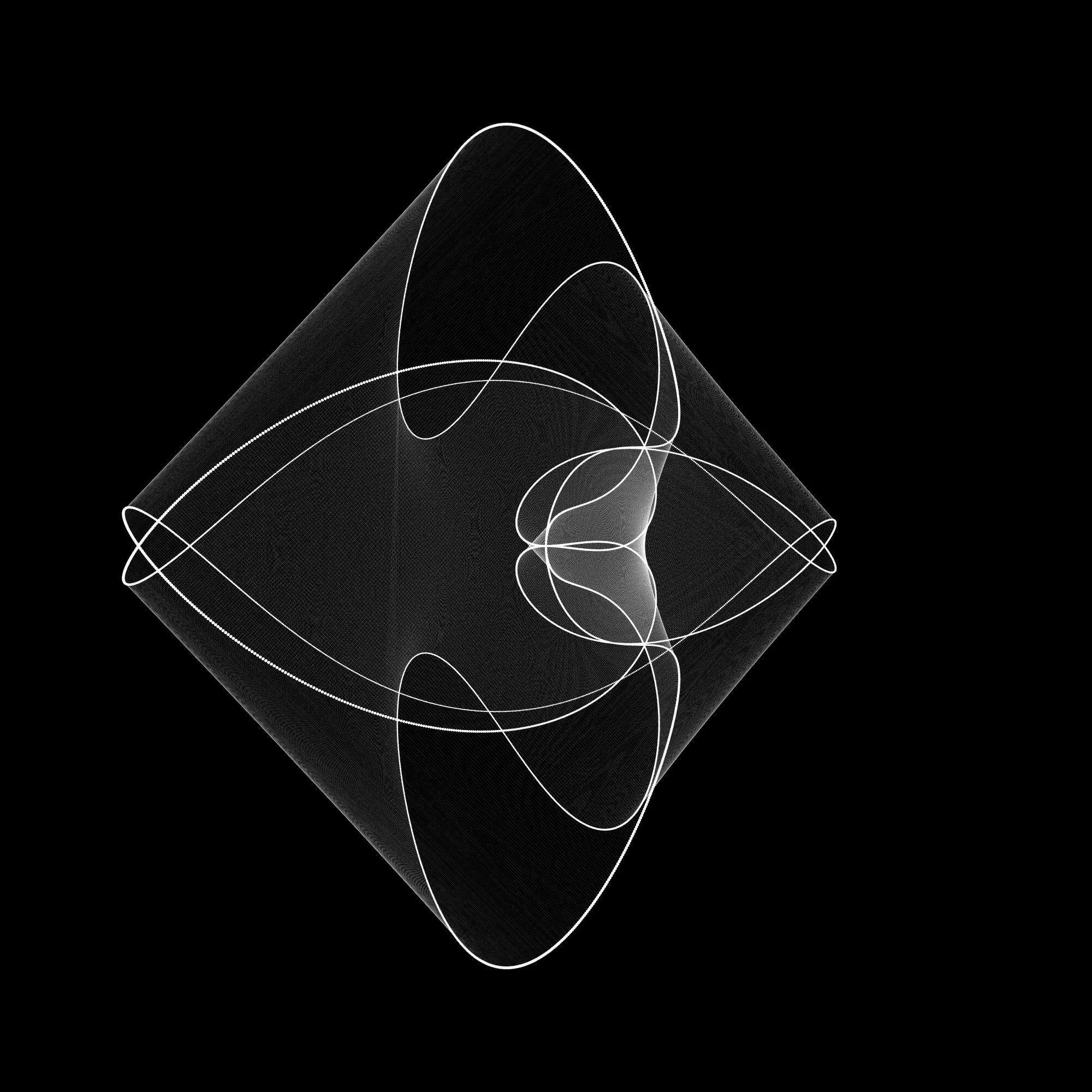 odiale.2024
 journey.2024
 c o n s u m e.2024
 l'appel du flaneur.2023
 fluctus.2024
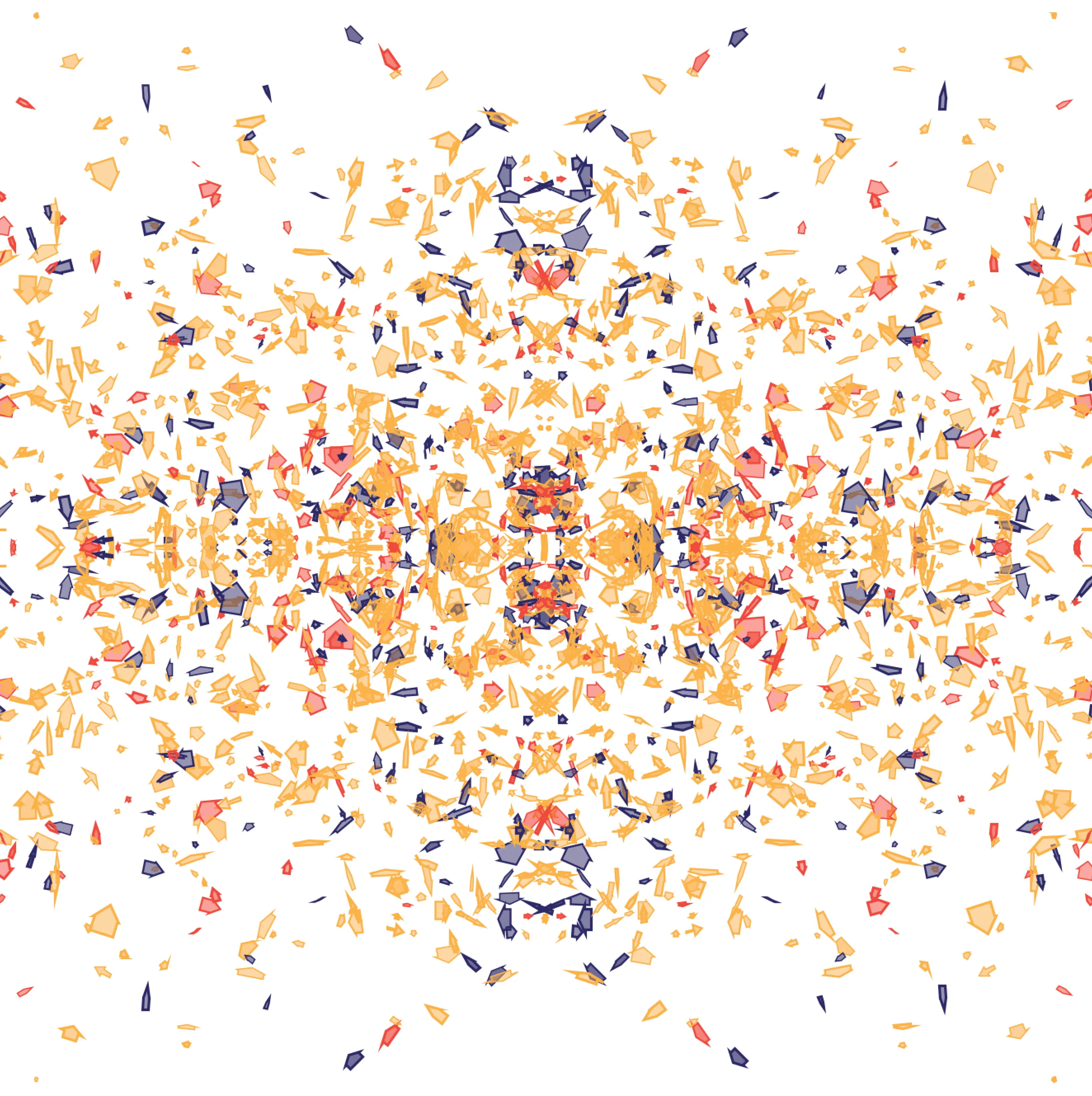 distracted.2024
 ferox (av).2024
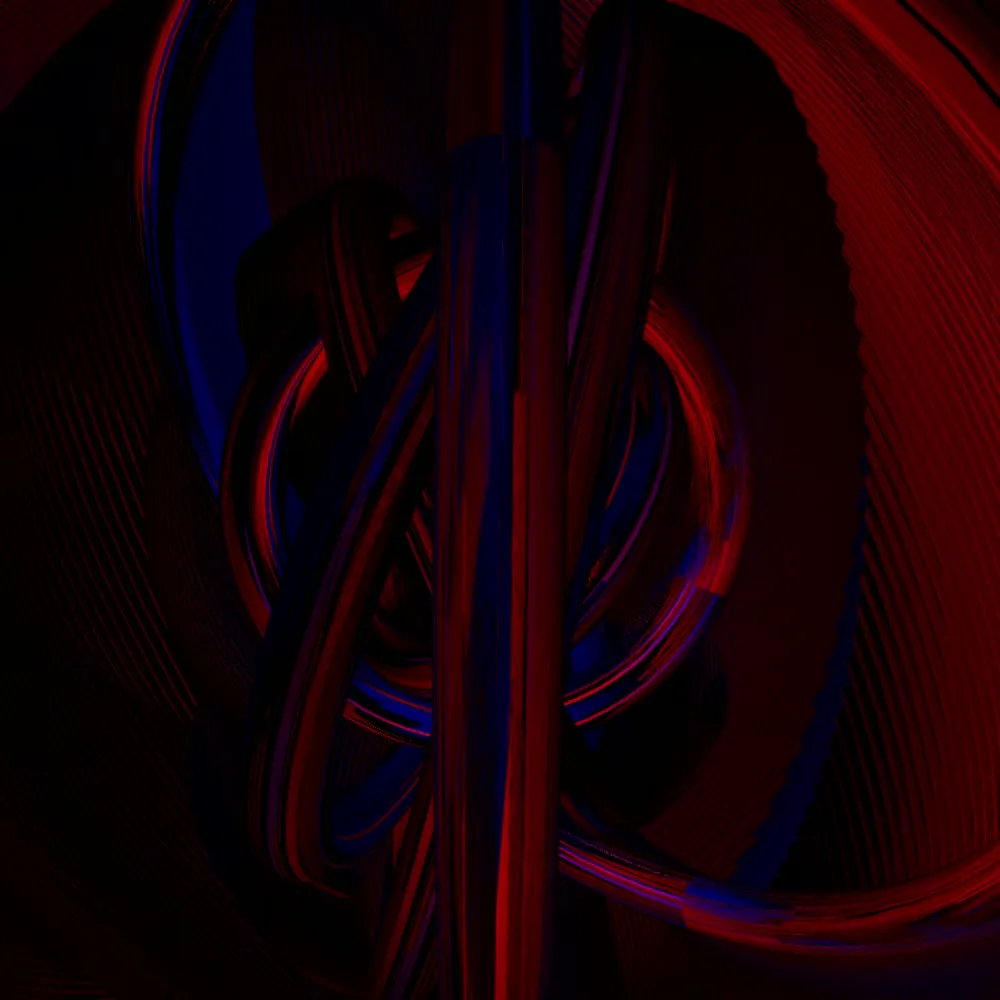 ruby v0rtex.2024
 escape.2024
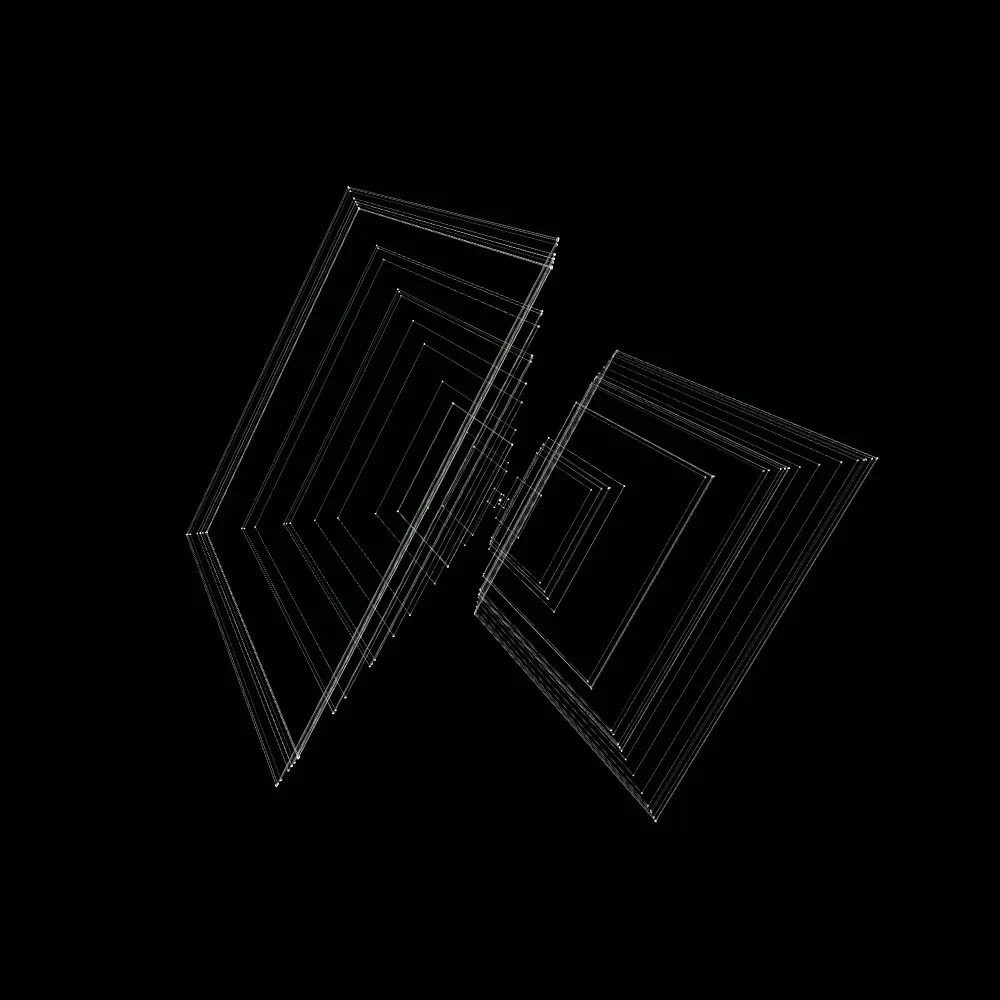 resonance in silence.2024
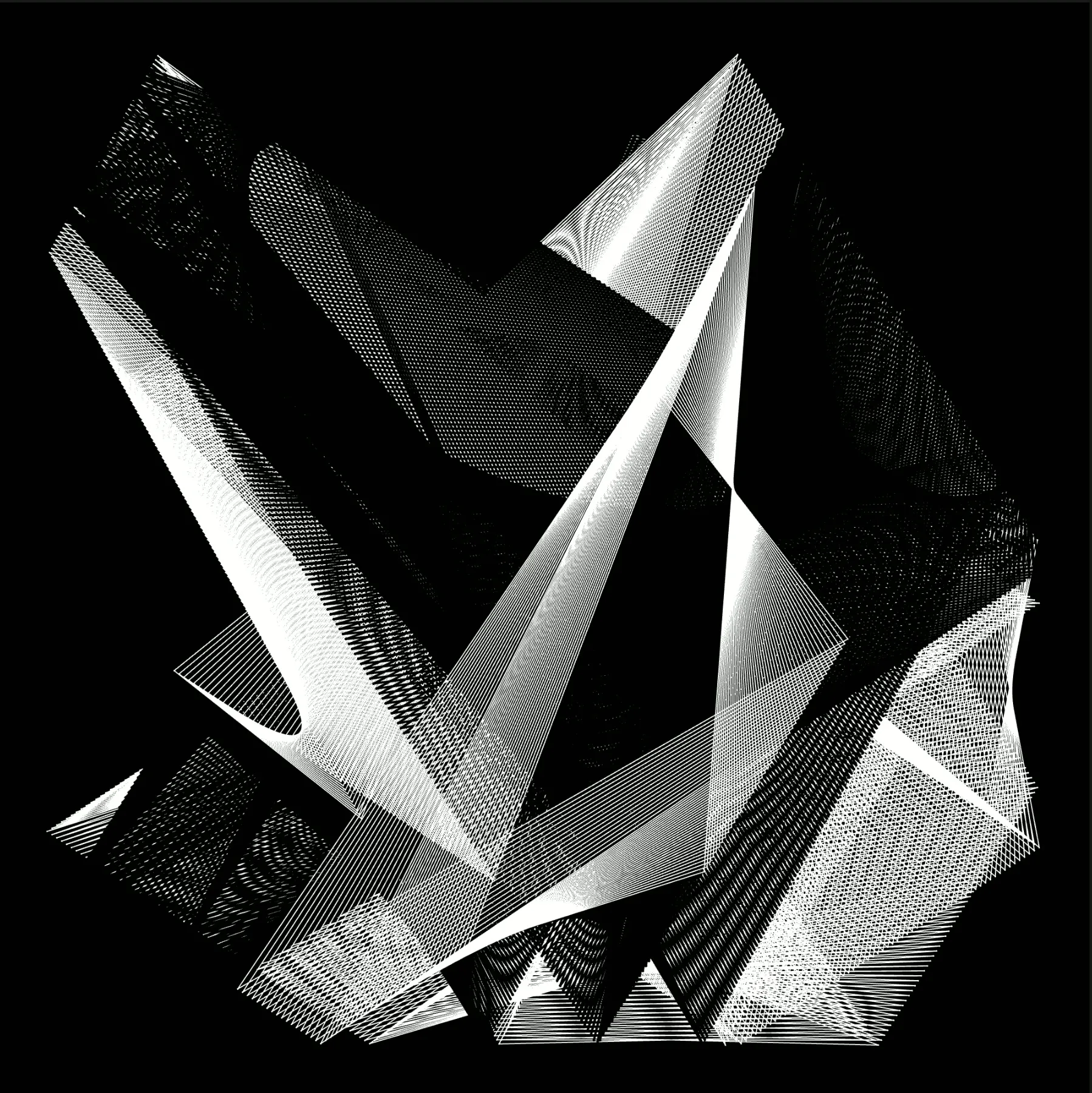 renovate.2024
 flakes.2023
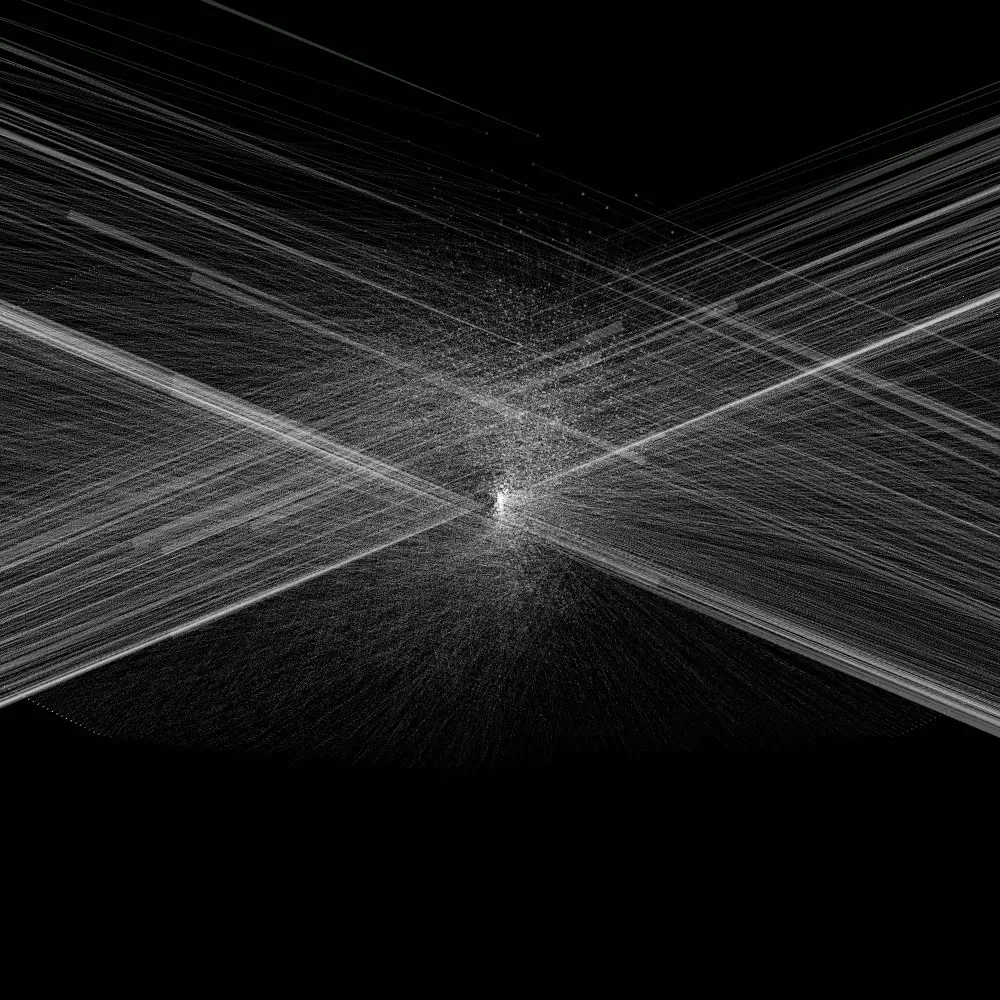 eternal tango.2024
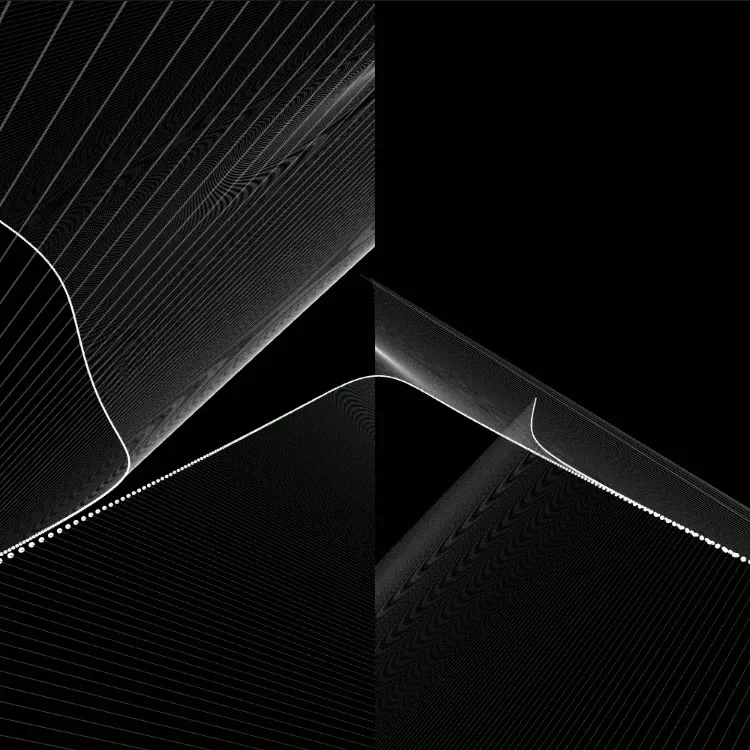 ess-nce.2024
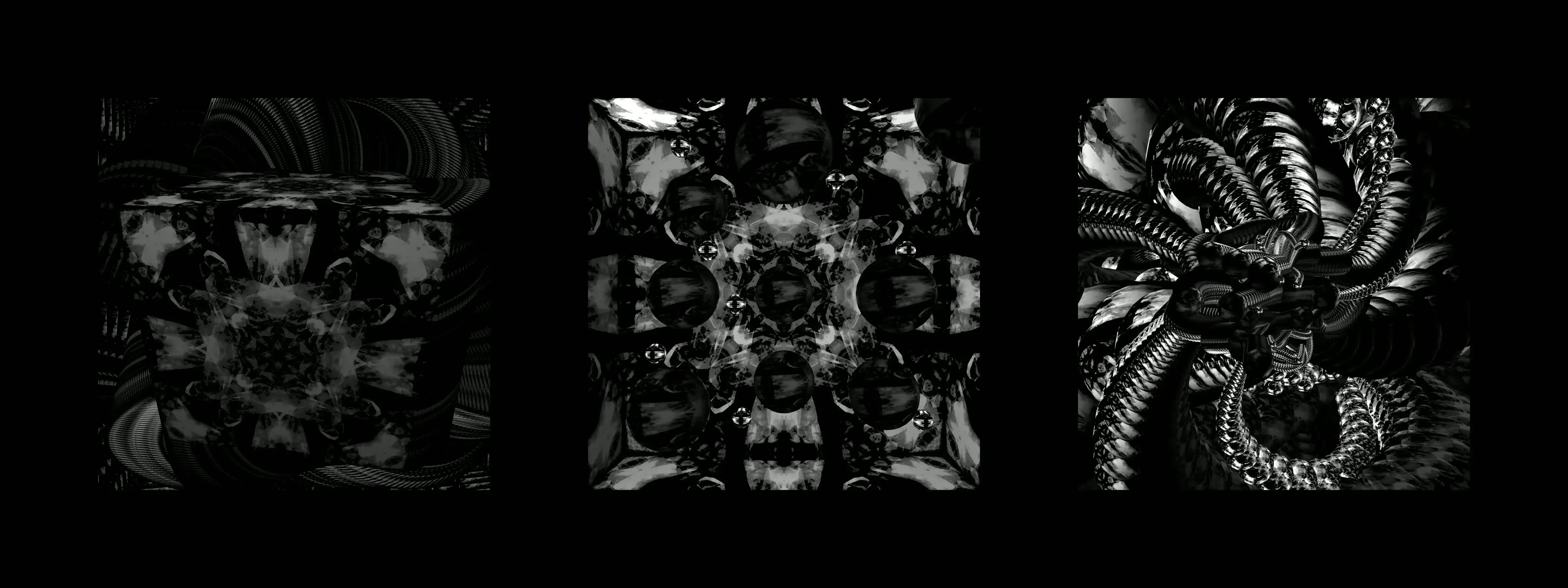 le poison noir.2023
 psyche.2023
 tempus.2024
 scatter.2024
 inside.2024
 pattern no.3.2024
 pattern no.8.2024